


Fall Simple Seasonal Prep

The first cool morning can make a house feel different overnight. Windows that stayed open all summer start to close. The entryway fills with jackets. Leaves collect in corners you forgot existed. Fall does not need a full home makeover, but it does reward a little planning.
A few simple tasks now can make your home warmer, cleaner, safer, and easier to live in as the season changes. Think of it as a reset before colder weather, shorter days, and busier routines settle in.

Start outside before the weather turns
The best fall prep often starts outdoors. Once rain, wind, and colder temperatures arrive, small exterior chores become more annoying and sometimes more expensive.
Walk around the outside of your home with a notepad or your phone. Look for anything that winter weather could make worse.
Pay close attention to:
Loose or missing roof shingles
Sagging gutters
Cracks near windows or doors
Overgrown branches near the roof
Peeling paint or exposed wood
Low spots where water collects near the foundation
You do not need to fix everything in one weekend. The goal is to spot problems early and handle the ones that matter most.
Clean the gutters and check the downspouts
Leaves and roof grit can clog gutters fast. When gutters overflow, water can run down siding, pool near the foundation, or freeze in places where it should not.
After most of the leaves have fallen, clean the gutters or hire someone to do it safely. Then run water through the downspouts to make sure they drain away from the house.
A good downspout should direct water several feet from the foundation. If water dumps right beside the house, add an extension. It is a small fix that can prevent a lot of moisture trouble.
Put away warm-weather gear
Summer items tend to scatter across patios, decks, and garages. Fall is the time to clean and store them before they get damaged.
Dry and store:
Patio cushions
Garden tools
Outdoor toys
Umbrellas
Hoses
Portable fire pits, if not used in colder months
Before storing cushions or fabric items, make sure they are fully dry. Trapped moisture can lead to mildew and bad smells by spring.
Drain garden hoses, disconnect them from outdoor faucets, and store them in a garage, shed, or basement. In colder regions, leaving a hose attached can increase the chance of frozen pipes.
Seal the small gaps that steal comfort
Cool drafts are easy to ignore at first. By late fall, they can make rooms feel chilly even when the heat is running. Sealing common gaps keeps your home more comfortable and may help reduce wasted energy.
Start with the usual suspects:
Windows
Exterior doors
Attic hatches
Basement doors
Mail slots
Utility openings
Gaps around pipes or vents
On a breezy day, hold your hand near trim, door edges, and window frames. If you feel moving air, you have found a spot worth sealing.
Refresh weatherstripping and door sweeps
Weatherstripping wears down over time. It can crack, flatten, or pull away from the frame. If daylight shows under an exterior door, or if the door rattles when closed, the seal is not doing its job.
Replace worn weatherstripping with a size and style that matches the door. Add or adjust a door sweep along the bottom if needed.
This is one of the easiest fall improvements because the materials are inexpensive and the payoff is immediate. A tight door feels different as soon as cold air stops sneaking in.
Use caulk where it makes sense
Exterior caulk helps seal small cracks around windows, trim, and siding joints. Indoors, caulk can help around baseboards, window trim, and other small gaps.
Choose the right caulk for the surface and location. Exterior products need to handle weather. Interior products should be paintable if you plan to touch up trim.
Avoid sealing areas that are designed to drain or breathe, such as weep holes in windows. If you are unsure, check the manufacturer guidance or ask a professional.

Get heating systems ready now
Heating systems tend to get ignored until the first cold night. That is usually when everyone else remembers theirs too. Scheduling basic maintenance earlier in the season can help you avoid long waits.
If your home has a furnace, heat pump, boiler, fireplace, or wood stove, fall is the right time to check it.
At minimum, replace or clean filters according to the system instructions. A dirty filter can restrict airflow and make equipment work harder.
Test the thermostat before you need it
Switch your thermostat to heat and let the system run. Listen for odd noises, check that warm air is coming through the vents, and make sure the system turns off when it reaches the set temperature.
If something seems off, you have time to deal with it before the colder weather arrives.
For programmable or smart thermostats, review your schedule. Fall routines often look different from summer ones. A good schedule can keep the house comfortable when people are home and avoid heating empty rooms more than needed.
Make fireplaces and chimneys safer
If you use a fireplace or wood stove, have the chimney inspected and cleaned as needed. Creosote buildup can create a fire hazard, and animals sometimes nest in chimneys during warmer months.
Before the first fire, check that the damper opens and closes properly. Move flammable items away from the hearth, including baskets, blankets, pillows, and decorations.
For gas fireplaces, test the ignition and look for anything unusual. If you smell gas or suspect a problem, stop using it and contact a qualified technician.
Give indoor spaces a practical fall reset
Fall brings more time indoors. That makes clutter, dust, and awkward storage more noticeable. A seasonal reset does not mean scrubbing every inch of the house. Focus on the places that will matter most day to day.
The best rooms to tackle first are:
Entryways
Closets
Kitchens
Bedrooms
Living spaces
Laundry areas
Make the entry work harder
The entryway takes a beating in fall. Shoes get muddy. Jackets pile up. Backpacks, umbrellas, and pet gear need places to land.
Clear out anything that belongs to summer. Store sandals, beach bags, and pool towels. Then set up the space for colder, wetter days.
Useful entryway items include:
A sturdy doormat outside
A washable rug inside
Hooks for jackets and bags
A boot tray
A basket for hats and gloves
A spot for umbrellas
The goal is not a perfect entry. The goal is a landing zone that keeps mess from spreading through the house.
Rotate closets and linens
Pull fall and winter clothing forward, then move warm-weather items into storage. This is a good time to donate pieces that no longer fit, feel good, or serve a purpose.
Check coats, gloves, scarves, and boots before they are needed. It is easier to replace a missing glove in October than during the first freezing morning.
Do the same with bedding. Wash heavier blankets, duvet covers, and flannel sheets before putting them on beds. If stored linens smell stale, air them out or wash them before use.

Prepare for shorter days and longer nights
As daylight fades earlier, lighting and safety become more important. The house should feel easy to move through in the evening, indoors and out.
Walk through your home after sunset and notice dark spots. Stairs, hallways, porches, driveways, and walkways should have enough light to move safely.
Check exterior lighting
Replace burnt-out bulbs near doors, patios, garages, and paths. Clean cloudy light covers so bulbs can shine properly. If you use motion-sensor lights, test that they turn on when needed and aim them where they help most.
Solar pathway lights can work well in some areas, but they may be less reliable during cloudy fall weather. Hardwired or battery-powered options may be better for key safety areas.
Test smoke and carbon monoxide alarms
Fall is a smart time to test smoke alarms and carbon monoxide detectors. Heating systems, fireplaces, candles, and more time indoors all make these devices especially important.
Press the test button on each unit. Replace batteries if needed, and replace the device itself if it has reached the end of its life according to the manufacturer.
Keep alarms near sleeping areas, on each level of the home, and near fuel-burning appliances based on local code and product guidance.
A working alarm is one of the simplest home safety tools you have. It only helps if it has power and is placed where people can hear it.
Stock up without overfilling the house
Fall is a good time to refresh household basics. This does not mean filling every closet with bulk supplies. It means having what you need for ordinary cold-weather days and minor disruptions.
Think through what your household uses when the weather is rainy, chilly, or busy.
Good items to check include:
Flashlights and fresh batteries
Basic first aid supplies
Extra pet food
Ice melt, if needed in your climate
Paper towels and trash bags
Pantry staples
Soup, tea, or easy meals for sick days
Cleaning supplies for mud and wet floors
If your area gets storms, wind, or early snow, keep a small emergency kit in an easy-to-reach spot. Include water, shelf-stable food, battery-powered lighting, and any essentials specific to your household.
Get the kitchen ready for fall cooking
Fall cooking often shifts toward soups, baked dishes, roasted vegetables, and slower meals. That makes the kitchen a useful place to reset.
Clear expired food from the pantry. Wipe shelves. Bring commonly used items to the front, such as broth, canned tomatoes, rice, pasta, oats, baking ingredients, and spices.
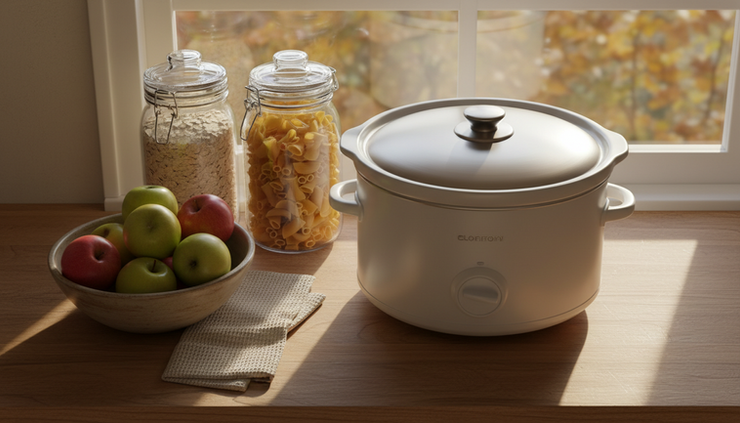
Check small appliances before you need them. If the slow cooker has been hiding in a cabinet since last winter, make sure it is clean and working. The same goes for coffee makers, electric kettles, stand mixers, and food processors.
This is also a good time to clean the oven before holiday cooking picks up. Do it on a mild day when you can open windows if needed.
Protect floors, furniture, and indoor air
Fall mess has a way of sneaking in. Wet leaves, mud, pollen, and dust can collect fast, especially near doors and vents.
A few simple changes can protect the house and cut down on cleaning.
Use washable rugs near entrances
Add boot trays by common doors
Vacuum vents and returns
Change HVAC filters
Keep throw blankets washable
They catch moisture and dirt before it spreads.
They give wet shoes a clear place to go.
Dust and pet hair collect where air moves.
Fresh filters help maintain airflow.
Cozy is better when it is easy to clean.
If you use humidifiers in colder months, clean them before the first use. Follow the manufacturer instructions and replace filters or wicks as needed. A dirty humidifier can spread mineral dust or musty smells.
Houseplants may also need a fall adjustment. As light changes, some plants need less water. Move sensitive plants away from cold drafts and heating vents.
Make fall maintenance easier with a weekend plan
Trying to prepare the whole house at once can turn a useful reset into a tiring project. A better approach is to group tasks by energy level and weather.
Here is a simple plan that works for many homes.
Do quick checks on Friday evening
Spend 30 minutes walking through the house and yard. Make a list, but do not start every task at once.
Look for:
Drafty doors
Burnt-out bulbs
Full gutters
Cluttered closets
Dirty filters
Outdoor items that need storage
Pick the top five tasks that would make the biggest difference.
Handle outdoor work on Saturday
Use daylight for exterior chores. Clean gutters, put away hoses, trim small branches, store patio items, and check outdoor lighting.
If a task needs a ladder or roof access, be honest about safety. Hire help when the risk is not worth it. A simple seasonal project should not end with an injury.
Reset indoor comfort on Sunday
Use Sunday for filters, thermostats, closets, bedding, entryway setup, and pantry cleanup. Put heavier blankets where people can reach them. Add a basket for cold-weather accessories. Restock basics.
End by taking out donations, trash, and recycling. Nothing makes a seasonal reset feel better than actually getting the extra stuff out of the house.
Focus on comfort, safety, and small wins
Getting Your Home Ready for Fall with Simple Seasonal Prep does not require a perfect checklist or a full free weekend. The real goal is to make the next few months easier.
Start with the tasks that protect the house from water, cold air, and safety risks. Then move to the daily comfort items, like clean blankets, working lights, organized coats, and a tidy entryway.
A home that is ready for fall feels calm before the season gets busy. It keeps cold air out, handles muddy shoes better, and makes the first chilly evening feel like something to enjoy rather than something to scramble through.


Comments